



How Media Shapes a Restaurant’s Reputation
Digital advertising delivers reach, but media builds trust, reputation and authority. For restaurants, strong press relationships, local coverage, reviews and awards shape perception, strengthen visibility and support long-term growth.
By Ben F. Oncu
The role of conventional media has changed significantly over the past two decades. There was a time when newspapers, magazines, television and radio were among the most effective ways for a business to reach thousands, or even millions, of people. Today, that function has largely been overtaken by digital platforms. If a restaurant simply wants to reach a targeted audience, social media, Google Ads, search marketing and increasingly AI-powered platforms can often do the job faster, more precisely and more cost-effectively.
A restaurant in London can now advertise directly to people living within a few miles who are interested in Asian food, fine dining, vegan cuisine or weekend dining. A new restaurant can target people according to age, interests, location and online behaviour. Conventional media cannot compete with digital advertising when it comes to this level of targeting.
So what is conventional media for today?
Its greatest strength is no longer simply reach. Its power lies in trust, reputation, credibility and perception.
Advertising tells people what a business says about itself. Media coverage tells people what somebody else says about that business. That distinction is extremely important. Every restaurant can advertise that it serves excellent food, provides outstanding service or offers one of the best dining experiences in its area. Consumers understand that these are marketing messages. However, when a newspaper, magazine, journalist, critic or recognised publication talks positively about a restaurant, the message carries a different level of credibility.
You Can Buy Reach, But Trust Must Be Built.
This is why media relations remain an important part of restaurant marketing. A good review, interview, profile or news feature can help shape the way people perceive a restaurant before they have even walked through its doors.
People rarely arrive at a restaurant today without knowing something about it. They search Google, look at Instagram, read reviews, visit the restaurant’s website and increasingly ask AI platforms for recommendations. What they discover during that process helps form their first impression. If they repeatedly see positive reviews, awards, interviews, newspaper features and magazine articles, the restaurant begins to appear established, respected and trustworthy.
Good Food Gets People In. Good Press Keeps Them Talking.
The influence of media on perception has been studied for decades. Communication theorist George Gerbner’s cultivation theory explored how prolonged exposure to television could influence the way audiences perceived society and reality. The media environment is very different today, but the basic principle remains relevant. Television is now only one part of a much larger information environment that includes newspapers, magazines, websites, podcasts, YouTube, Instagram, TikTok, Google and AI systems.
Media Does More Than Create Visibility — It Shapes Perception.
We are constantly consuming information, and that information contributes to our perception of people, organisations, products and businesses. A restaurant that is consistently presented as innovative, respected or award-winning gradually develops that reputation in the public mind. Media therefore does more than make a restaurant visible. It can influence what people think and feel about it.
However, the same power can work in the opposite direction. Media can build a reputation over many years, but it can also damage one remarkably quickly. A serious negative article, poor review, controversy or badly handled public complaint can influence public opinion and remain visible online for years. In some cases, a single story can dominate search results whenever somebody looks for the name of a business.
Advertising Tells People You’re Good. Independent Media Helps Them Believe It.
For that reason, media relations should not only be considered when a restaurant wants publicity. It should be regarded as part of long-term reputation management. Building constructive relationships with journalists and publications, responding professionally to criticism and communicating openly are all part of protecting a brand’s public image.
One question restaurant owners often ask is whether they should focus on major national publications or smaller local media. Naturally, being featured by a well-known national newspaper, television channel or respected magazine can provide significant credibility. There is considerable value in being reviewed or interviewed by a recognised media organisation.
A Powerful Review Can Become One of Your Strongest Marketing Tools.
However, restaurants should never underestimate local and regional media.
A restaurant is, by its nature, a local business. Most customers live, work or spend time within a reasonable distance of the venue. A review in a local newspaper or regional magazine may therefore reach a smaller audience than a national publication, but those readers can be far more relevant to the business.
There is also a psychological element to local media coverage that is often overlooked. When customers see newspaper cuttings, awards or magazine reviews displayed inside a restaurant, they do not necessarily study the name or circulation figures of every publication. What they notice is that the restaurant has been featured, reviewed and recognised.
Do Not Ignore Local Media — Local Recognition Builds Local Trust.
Five Guys is a useful example. Anyone who has visited many of its restaurants will have seen walls covered with quotations, newspaper clippings and reviews from different publications. Some are major publications, while others are regional or local. Together they create an impression of a business that has been widely discussed and positively received. The cumulative effect is more important than the individual publication.
Restaurants should therefore think in terms of building a media footprint rather than waiting for one major feature.
One Media Feature Creates Visibility; Consistent Coverage Builds Reputation.
Search your restaurant’s name online and look at what appears. Is there only the restaurant’s own website, Instagram account, Tripadvisor listing and delivery platform? Or are there also newspaper articles, interviews with the chef, magazine reviews, award announcements and independent features?
The second restaurant immediately appears to have a broader public presence. Even before somebody reads every article, the existence of independent coverage creates an impression of legitimacy and importance.
Positive Press Is Social Proof That Advertising Cannot Easily Replicate.
This has become even more relevant because of changes in search technology. Media coverage is no longer something that disappears after a newspaper or magazine is published. An online article can remain searchable for many years. It may appear prominently when potential customers search the restaurant’s name or research where to eat.
Today’s Media Feature Can Become Tomorrow’s Google or AI Search Result.
AI is adding another dimension to this. Increasingly, consumers are asking platforms questions such as which restaurants they should visit in a particular city, who the most interesting chefs are, or which places are known for a particular cuisine. A strong digital presence supported by credible independent references can become increasingly important as the way people search for information continues to evolve.
For restaurants, this means that media coverage should not be viewed as temporary publicity. A well-written article can become part of the long-term digital history of the business.
Big Media Matters, But Small and Local Media Matter Too.
Of course, journalists need something worth writing about. Simply emailing an editor to say that a restaurant serves good food is unlikely to generate much interest because every restaurant claims the same thing. Restaurants should instead identify genuine stories.
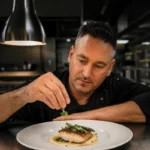
A restaurant opening, new chef, unusual menu, new dish, anniversary, award, charity project, refurbishment, collaboration or expansion can all provide legitimate news angles. The chef’s personal story can also be valuable. A family recipe, an international career, a regional cooking tradition or an unusual journey into hospitality can give journalists something meaningful to explore.
Restaurants should therefore communicate their stories clearly and make information easily available. A professional website remains important, particularly for journalists who may be researching the business. Ideally, the website should include background information about the restaurant, the chef’s biography, high-quality images, previous press coverage, awards and clear contact details.
Create Something Worth Talking About
— Then Give the Media a Reason to Talk About It.
Building relationships with media should begin locally. Restaurant owners can identify relevant newspapers, magazines, food publications, bloggers and journalists in their area and communicate with them when there is a genuine reason to do so. Invitations to openings, tastings, special events or significant launches can help create relationships, but media contact should not become a constant stream of promotional emails.
Good media relations are based on relevance and professionalism.
Awards can also play an important role in building credibility. Winning a respected award provides a form of third-party validation and suggests that the restaurant or chef has achieved a recognised standard. Restaurants should display genuine awards and use them in marketing where appropriate.
However, credibility is essential. Restaurants should be cautious about awards that can effectively be purchased. Recognition has value only when customers believe it has been earned through an independent and credible process. A respected award from a recognised body is far more valuable than numerous meaningless certificates.
Once a restaurant receives positive media coverage, that coverage should continue working for the business. Too many restaurants receive a good review, share it once on social media and then forget about it.
A strong media quotation can be used on a website, menu, newsletter, advertising campaign or inside the restaurant itself. A positive magazine feature can be included in a press section. An interview with a chef can be shared repeatedly when relevant.
Good Media Relations Turn Press Coverage Into Long-Term Brand Value.
The entertainment industry has understood this principle for generations. Film posters regularly carry quotes from critics. West End theatres display review excerpts prominently outside their venues. Book publishers place newspaper praise on covers because independent recommendations influence purchasing decisions.
Restaurants can use media coverage in exactly the same way.
The key is to understand that media relations and advertising do different jobs. Social media and digital advertising are excellent tools for finding and targeting customers. They allow businesses to control who sees a message and when they see it. Conventional media, on the other hand, is particularly powerful when the objective is to establish authority and influence perception.
The strongest restaurant marketing strategy therefore combines both.
Use digital advertising to reach people. Use social media to communicate with them. Use reviews to reassure them. Use search to help them find you. And use credible media coverage to strengthen your reputation.
None of this can replace the fundamentals of hospitality. No publicity campaign can permanently compensate for poor food, bad service or an unpleasant experience. Media relations work only when there is something genuinely good to promote.
But excellent food that nobody knows about creates another problem.
Restaurants should therefore create something worth discussing and then make sure the story reaches the right people.
The modern media environment has changed enormously, but the importance of reputation has not. In fact, in a world where consumers are surrounded by advertising and promotional content, credible independent recognition may have become even more valuable.
Big media matters. National publications matter. International coverage can create enormous opportunities. But local newspapers, city magazines, regional publications and specialist media should not be ignored.
A restaurant does not need to appear in one famous newspaper before media relations become valuable. Reputation is often created gradually, through many independent references that together tell the public that a business is established, respected and worth visiting.
Today, businesses can buy enormous reach through digital advertising. They can target thousands of people within minutes.
Trust is different.
Trust must be built.
And that is where credible media still has extraordinary power.
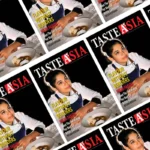
The Taste Asia Magazine Ecosystem
Taste Asia represents an emerging form of media that sits somewhere between traditional publishing and new media. It is traditional in the sense that the magazine is produced in print, giving featured restaurants, chefs, brands and individuals the credibility and permanence that still come with physical publication. At the same time, it operates as digital and interactive media, allowing its content to travel far beyond the printed page through online editions, search engines, social platforms and wider digital distribution.
What makes Taste London different is the way these two worlds are connected. The magazine is available in print across more than 190 countries and through over 40,000 networks, retailers and platforms. This means that a feature does not simply appear in one magazine issue and disappear. It enters a much wider international distribution ecosystem, supported by metadata that can help restaurants, brands and individuals strengthen their digital footprint, improve discoverability in search engines and increase the likelihood of being recognised by AI-powered platforms.
This is increasingly important because reputation today is built across many different touchpoints. A customer may first discover a restaurant through Instagram, then search its name on Google, read an independent magazine feature and later ask an AI platform for recommendations. The stronger and more credible the digital footprint, the more established the business can appear. In this sense, a Taste London feature is not only editorial coverage; it can become part of a restaurant’s longer-term online reputation.
In addition, Taste Asia collaborates with major news distribution networks including AP News and EIN Presswire, enabling selected features and press releases to be distributed across more than 3,000 media outlets in the UK, US, Europe and beyond. As a result, being featured in Taste London can become the starting point for a much wider media presence rather than an isolated magazine appearance.
This is a good example of how modern publishing is evolving. The future of media is not simply print versus digital. The strongest model combines the credibility of traditional publishing with the reach, searchability, interactivity and distribution power of new media. Taste London is designed around that principle.
ABOUT BEN F. ONCU
Ben F. Oncu is a London-based media entrepreneur, publisher and digital business strategist with more than two decades of experience across journalism, publishing, digital transformation and platform-based business models. As the founder of NewYox Media Group, he has developed an international publishing network publishing magazines.
He is also the author of Restaurant Marketing Blueprint, a practical guide to building and growing a successful restaurant business. The book is available in print across the UK, US and Europe and can be purchased through major retailers including Amazon, Waterstones, Harvard Book Store and many more.