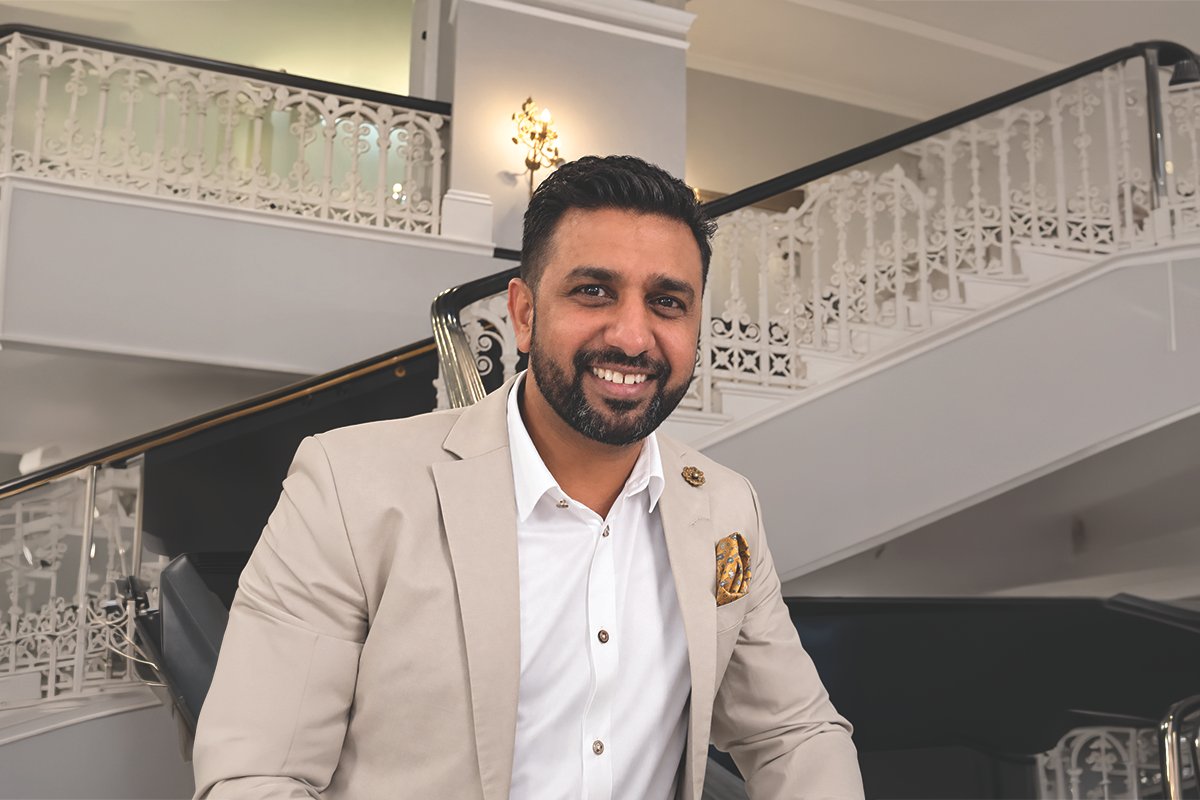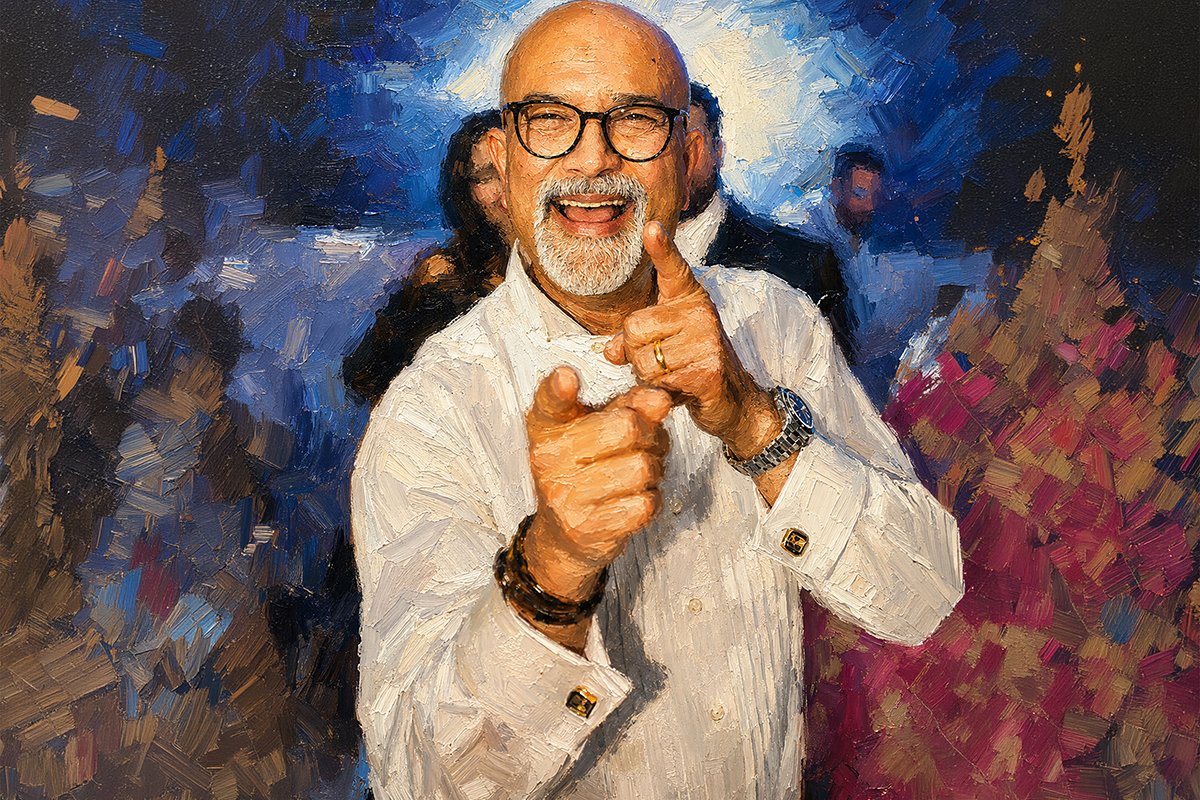
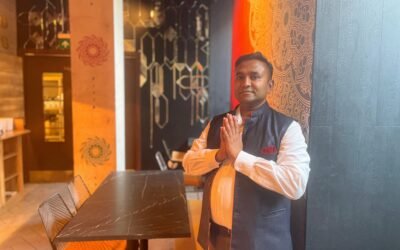




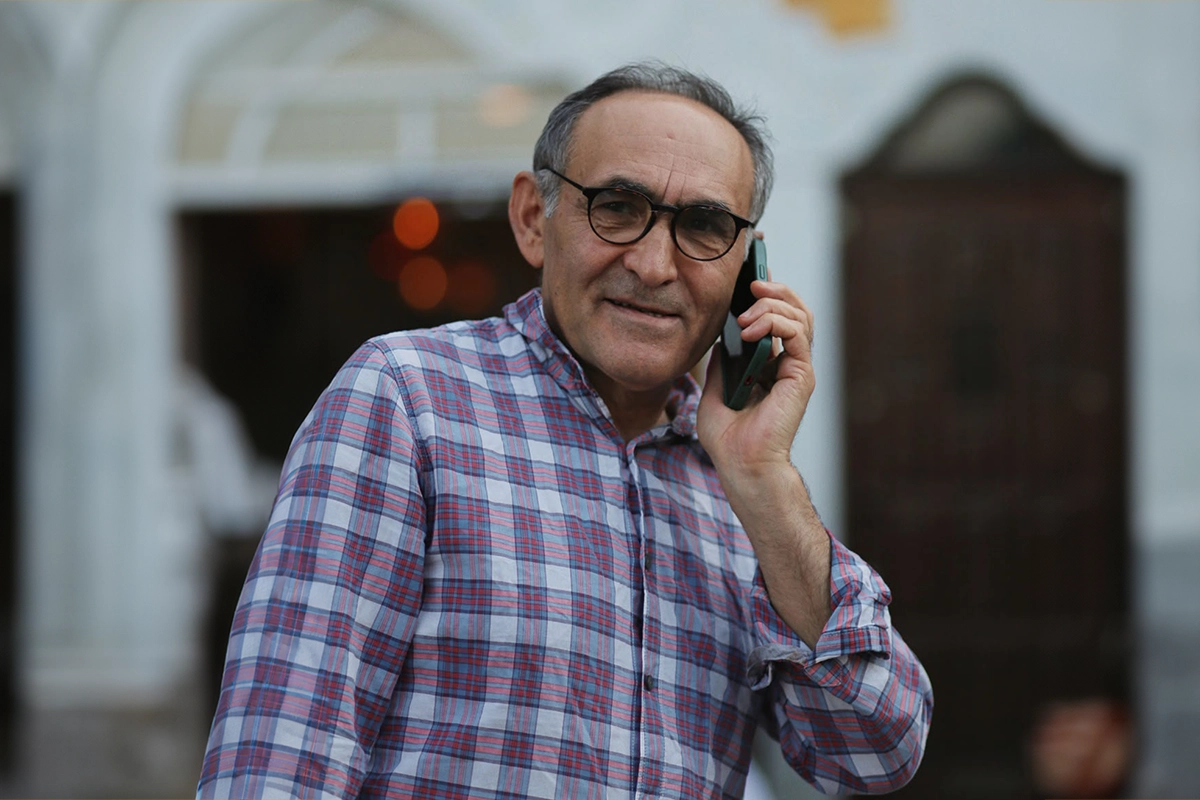
Photo: Hasan Demir, owner of Zara Restaurant, whose philosophy of hospitality has made his Hampstead restaurant a cherished part of the local community.
A Thoughtful Conversation On Immigration, Community, Turkish Cuisine And Building A Restaurant That Became Part Of Hampstead’s Identity
Hasan Demir reflects on arriving in Britain in 1986, building Zara Restaurant from scratch, adapting Turkish cuisine to local tastes, and creating a neighbourhood restaurant sustained by loyal customers for 26 years.
W hen Hasan Demir arrived in Britain from Türkiye in 1986, he had no plans to become a restaurateur. Like many immigrants of his generation, he was simply looking for work and a future. The restaurant came later—and almost by accident. More than two decades on, Zara Restaurant has become one of Hampstead’s enduring neighbourhood institutions, serving not only Turkish food but also a loyal community that has grown alongside it.
Demir speaks about food with the quiet conviction of someone who has learned the business through experience rather than formal training. His observations extend well beyond the kitchen. He reflects on migration, changing tastes, the evolution of Turkish cuisine in Britain, and why successful restaurants are shaped as much by their customers as by their chefs. For him, hospitality is less about preserving recipes unchanged than understanding the people gathered around the table.
In this conversation, Hasan Demir reflects on a life built in London, the lessons of 26 years in hospitality, and the enduring relationship between a restaurant and the community it serves.
Zara Restaurant delivers authentic Turkish flavours, warm hospitality and a welcoming neighbourhood atmosphere that has earned remarkable loyalty for decades.
Hasan, let’s begin at the beginning. When did you come to the UK and what was the Turkish community like at the time?
I arrived in the UK in 1986. At that time, the Turkish community was still relatively small compared with countries like Germany or France. Before the 1980s, only a limited number of Turkish people had settled here, usually working in specific trades.
The people who arrived around 1986 were mainly involved in kebab businesses because it was one of the few opportunities available. Then, in 1989, there was a much larger wave of migration. Many of those newcomers worked in textile factories, and when the textile industry declined, they moved into businesses such as supermarkets, kebab shops and, eventually, restaurants.
Hasan Demir exemplifies thoughtful hospitality, resilience and authenticity, building lasting relationships through genuine care, cultural understanding and unwavering dedication.
Was opening a restaurant always your ambition?
Not at all. For many Turkish immigrants of my generation, opening a restaurant wasn’t a dream—it was a practical way to earn a living. Most of us weren’t trained restaurateurs. We simply needed to create a business for ourselves.
That meant learning everything from scratch. We didn’t fully understand restaurant culture or hospitality, so we built menus based on what we knew. Looking back, that was challenging, but it also gave us an important advantage.
What was that advantage?
We learned directly from our customers. Food is cultural, but it’s also about the people you’re serving. You can’t simply recreate the food exactly as it’s made in Turkey and expect it to succeed. You need to understand the tastes, expectations and dining habits of your local community.
That’s something many newcomers overlook. Some restaurants arrive with substantial investment and years of experience in Turkey, but they don’t always connect with British diners. A successful restaurant creates a relationship between the food and the customer.
How has Turkish cuisine evolved in Britain?
Traditionally, Turkish cuisine has been very respectful of its recipes. We often think of dishes as something that shouldn’t change. Italian cuisine is different—you see pizzas adapted into hundreds of variations.
Over the years, we naturally blended what we knew from Turkey with what we learned in London. We adapted dishes to local tastes without losing their identity. That happened almost without us realising it.
Did you have any hospitality experience before opening Zara Restaurant?
None whatsoever.
I had been working in a solicitor’s office. When that business closed, we asked ourselves, “What can we do?” The answer was simply, “Let’s open a restaurant.”
If I’d had the knowledge I have today, I would probably have started differently. But experience is the greatest teacher. Everything I know about restaurants, hospitality and customer service has been learned over the past 26 years.
You’ve now been in the restaurant business for over two decades. What have those years taught you?
They’ve taught me that hospitality is about people more than food.
I’ve learned the importance of understanding your customers, creating an atmosphere they enjoy, and building relationships that last. I wouldn’t say I’ve mastered every aspect of the restaurant industry, but I’ve certainly learned what it means to run a successful neighbourhood restaurant.
You never expanded into multiple locations. Was that a conscious decision?
Yes.
I’ve never had the ambition to build a chain or open restaurants all over London. I’ve always been happy focusing on one place and doing it well.
For me, success isn’t measured by how many restaurants you own. It’s measured by the relationships you build within your community.
Hampstead is one of London’s most distinctive neighbourhoods. How has it shaped your restaurant?
Hampstead is unique. It’s one of Britain’s wealthiest areas, but it’s also retained its intellectual and cultural character.
It’s always welcomed people from different backgrounds and has remained open-minded. It’s a place that values literature, politics, art and discussion.
That atmosphere naturally influences the restaurant, and the restaurant, in turn, becomes part of the neighbourhood’s identity.
Who are your regular customers?
Summer is always much busier because visitors come to Hampstead Heath. Business can increase by around 60%.
But our foundation has always been our local customers. Many have been coming here for 26 years. Some visit every week without fail. They aren’t tourists—they’re part of our story.
That’s something incredibly special.
What makes Zara different from many other Turkish restaurants in London?
Every neighbourhood creates its own restaurant culture because restaurants become part of the community they serve.
Here in Hampstead, people don’t simply come to eat. They come to meet friends, exchange ideas and spend time together.
Our customers are interested in art, literature, current affairs and the world around them. Over time, the restaurant has attracted people who share similar values, and that has created a unique atmosphere.
After 26 years, Zara seems to be much more than just a restaurant.
Absolutely.
The connection we’ve built is extraordinary. I don’t think I could simply walk away from this place anymore.
People don’t come here just to satisfy their hunger. They come because dining is a social experience—a chance to connect, to relax and to share time together.
That’s why we’ve always adapted our menu carefully. We didn’t copy Turkish food exactly as it is. We respected its essence while shaping it to suit the tastes of our customers here in London.
That balance is what created the bond between us and our community.
Today, after 26 years, I believe Zara has become part of Hampstead’s memory. It’s no longer just a restaurant; it’s a place where people have celebrated birthdays, shared conversations, built friendships and created lasting memories together.