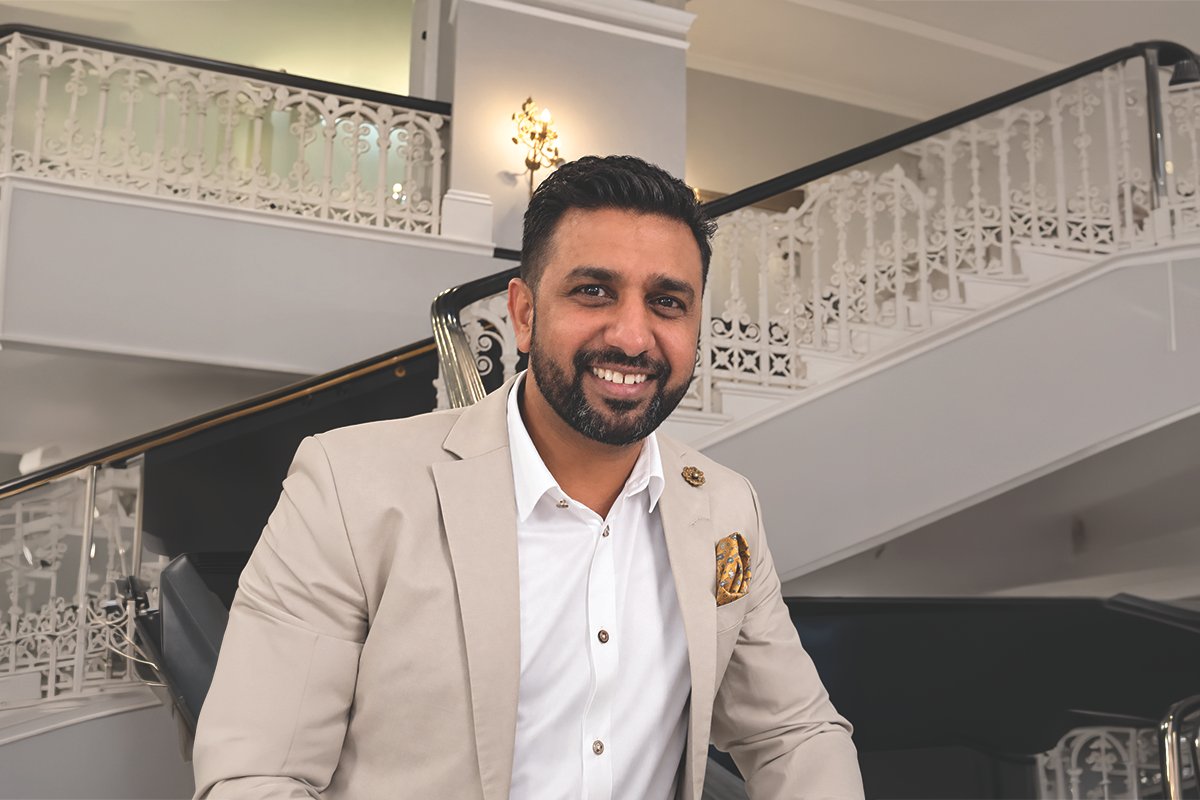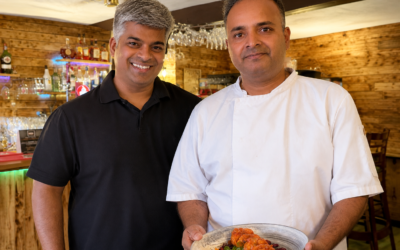
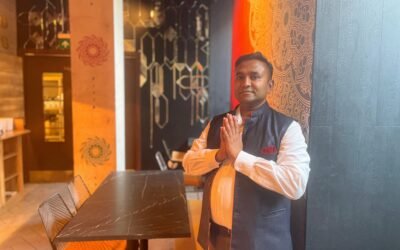





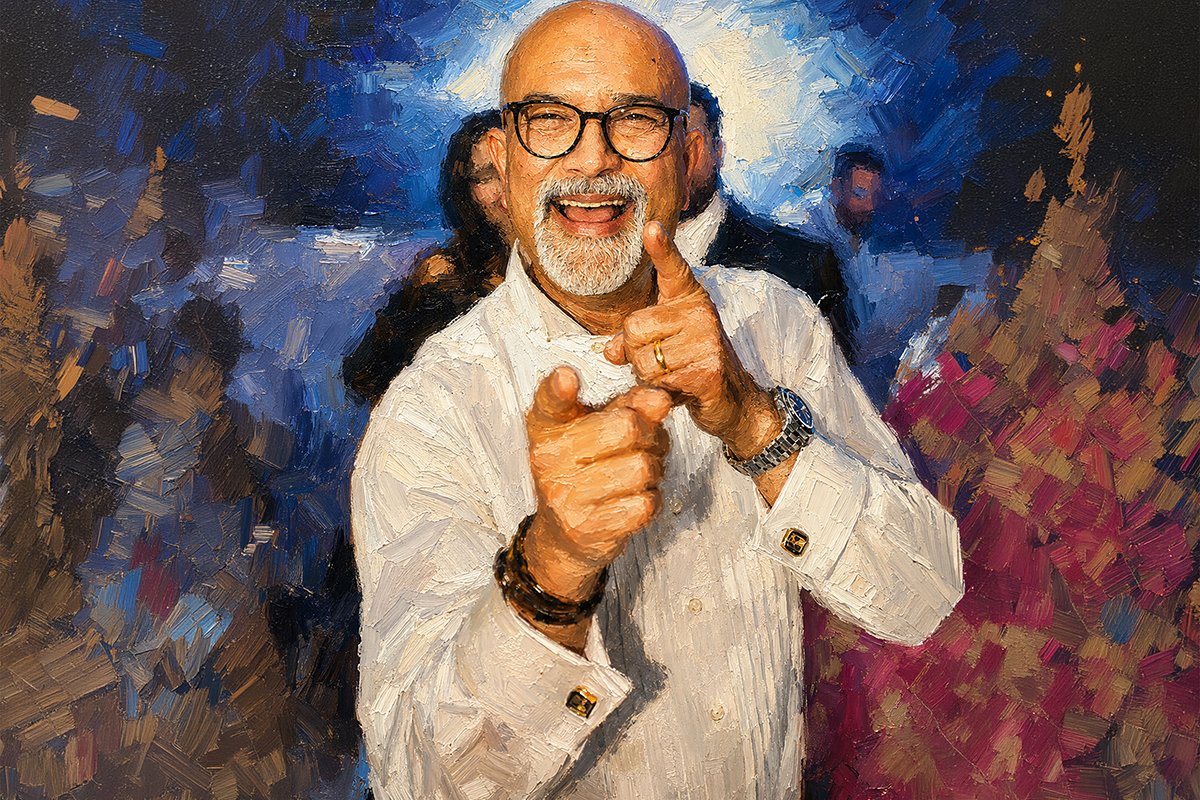
Photo: Rajesh Suri, the veteran hospitality leader whose four-decade career has helped shape the evolution and global reputation of Indian fine dining.
Rajesh Suri Built a Career on the Belief That Great Hospitality Begins With People
Rajesh Suri reflects on four decades in hospitality, Michelin-starred Tamarind, Grand Trunk Road, leadership, consultancy, technology, profitability and the enduring importance of genuinely caring for guests and teams every day.
Few careers illustrate the evolution of modern Indian dining as vividly as that of Rajesh Suri. Across more than four decades in hospitality, spanning India, the Middle East, Europe and the United Kingdom, Suri has built a reputation not simply as a restaurateur, but as a leader, mentor and ambassador for Indian cuisine.
Perhaps the defining milestone of his career came at Tamarind of Mayfair. Taking over as General Manager in 1998, Suri helped transform the restaurant at a critical moment in its development. In 2001, Tamarind became the first Indian restaurant in the world to receive a Michelin star — an achievement that helped challenge long-held perceptions about Indian dining and demonstrated that its complexity, regionality and refinement deserved recognition alongside the world’s great cuisines.
Yet Suri’s story extends far beyond a single accolade.
Rajesh Suri combines old-school discipline, commercial intelligence and genuine warmth, inspiring teams while championing Indian cuisine with remarkable lifelong dedication.
With Grand Trunk Road in South Woodford, he created a restaurant inspired by one of Asia’s great historic trade routes, drawing upon the culinary traditions, ingredients and stories encountered along its extraordinary journey. The restaurant became widely recognised for presenting Indian food with authenticity, sophistication and a strong sense of place, earning attention from some of Britain’s most respected restaurant guides and publications.
What emerges most clearly from our conversation with Suri, however, is that he measures success differently. Awards matter, standards matter and profitability certainly matters — but people remain at the centre of his philosophy.
For Suri, hospitality begins with a genuine welcome. It depends upon developing great teams, creating positive working cultures and understanding that guests remember not only what they ate, but how a restaurant made them feel. His wonderfully simple belief that hospitality should combine warmth, thoughtfulness and something memorable captures an approach refined over a lifetime in dining rooms.
Today, as a restaurant consultant, Suri is passing that experience to a new generation of operators. His expertise stretches from concept development, menu engineering and cost control to staff training, marketing, customer experience and brand strategy. Importantly, his advice balances commercial discipline with humanity. Restaurants must make money, he argues, but never by sacrificing the qualities that made guests love them in the first place.
His thoughts on technology are equally perceptive. Artificial intelligence may improve forecasting, reservations, scheduling and menu analysis, but it cannot replace eye contact, intuition, generosity or the ability of a skilled hospitality professional to read a table. His principle is compelling: automate the operation, humanise the experience.
Rajesh Suri’s contribution to hospitality is therefore greater than the restaurants he has helped create or the recognition they have received. His lasting achievement lies in elevating Indian cuisine, developing people and demonstrating that exceptional restaurants are built through discipline, curiosity, consistency and care.
As he tells Taste Asia, the legacy he hopes to leave is remarkably straightforward: that someone, years from now, might say they learnt from Rajesh Suri how to truly look after people.
After an extraordinary career devoted to hospitality, there could hardly be a finer measure of success.
Highlights
- More than 40 years of international hospitality experience across India, the Middle East, Europe and the UK.
- Led Tamarind of Mayfair when it became the world’s first Indian restaurant to receive a Michelin star in 2001.
- Founded and directed the acclaimed Grand Trunk Road restaurant in South Woodford.
- Believes successful hospitality begins with people, leadership and genuine care.
- Champions Indian cuisine as a sophisticated and diverse global culinary tradition.
- Advises restaurants on menu engineering, profitability, operations, training and brand development.
- Encourages operators to focus on long-term value rather than short-lived trends.
- Believes technology should improve efficiency without replacing human hospitality.
- His philosophy for technology is simple — “Automate operations. Humanise the experience.”
- Describes the perfect restaurant in three words — Warmth. Thoughtfulness. Memorable.
- Regards mentoring and developing future hospitality leaders as an important part of his legacy.
- Believes a restaurant’s greatest asset is the team that walks through its doors every day.
You’ve spent more than 40 years in hospitality across India, the Middle East, and the UK. What first inspired you to build a career in restaurants?
For me, hospitality has never just been a job, hospitality is my passion so it has been a way of life. During my younger days I was inspired by the idea of bringing people together through food and creating an environment where everyone feels genuinely welcome and enjoy and have laugh while having delicious food . There is something very special about seeing families celebrate milestones, friends reconnect, or complete strangers leave as happy customers because of the experience you’ve given them.
What has kept me in the industry for so many years, is the people. Every day is different, every guest has a different story, and I have always enjoyed building relationships and making people feel valued. I take great pride in knowing that a warm welcome, excellent food, and attentive service can create memories that last a lifetime.
Hospitality has given me incredible confidence, opportunities, lifelong friendships, and a career that I have genuinely loved and enjoyed throughout. Even after all these years, I still get the same satisfaction from seeing a busy restaurant full of happy guests as I did when I first started. That passion is what continues to inspire me every day.
Looking back, what are the biggest lessons you’ve learned from working in three very different hospitality markets?
Working in India, the Middle East, USA, and Europe have taught me that while cultures, traditions, and most importantly guest expectations may differ, the essence of hospitality is universal, people want to feel welcomed, respected, and genuinely cared for. One of my biggest lessons has been the importance of adapting my leadership and service style to different cultures. Every country has its own way of communicating and its own expectations, so listening, being open-minded, and respecting cultural differences have been essential to building strong teams and delivering exceptional guest experiences. I’ve also learned that success in hospitality is always about people. Whether it’s developing and motivating staff, building trust with guests, or creating a positive work environment, great service starts with a happy and engaged team. When you invest in your people, they naturally deliver better experiences for your guests.
Finally, working internationally has made me more resilient and adaptable. Every market brings different challenges, from operational demands to changing customer expectations, and I’ve learned to embrace change, stay calm under pressure, and always look for opportunities to improve. Those experiences have shaped not only the leader I am today but also reinforced my passion for hospitality.
You led Tamarind of Mayfair when it became the world’s first Indian restaurant to receive a Michelin star in 2001. What did that achievement mean for Indian cuisine on the global stage?
One of my best platform to show case my capability within the UK capital of Best Restaurants.
Mayfair has been the hub of Best Restaurants in London or even in UK for many years and as I can see the tradition is still continuing. I took over Tamarind of Mayfair as GM during September 1998 when the restaurant was not performing well and with lots of combined efforts we turned in around in very short time and During January 2001 Tamarind of Mayfair became the first Indian restaurant in the world to receive a Michelin star. This was the proudest moments of my career. It wasn’t just about earning a Michelin Star or an award —it was about changing perceptions of Indian cuisine on the global stage. Today very proudly & confidently I can say that we have good number of Indian Restaurants around the globe with 1, 2 & 3Stars Michelin. For me, it represented years of hard work, consistency, and an incredible team effort.
A Michelin star is never achieved by one person. It’s the result of chefs, front-of-house staff, managers, and everyone behind the scenes sharing the same passion, commitment to excellence every single day X365 , 24X7 . For me what made it even more meaningful was proving that Indian dining could stand alongside the very best restaurants in the world. We helped set a new benchmark for Indian hospitality and wonderful cuisine, and being part of that journey was both an honour and a privilege.
Personally, the experience reinforced my belief that success comes from building great teams, maintaining uncompromising standards, and never stopping the pursuit of excellence. It’s a milestone I’m incredibly proud of because it wasn’t just recognition for a restaurant—it was recognition for an entire Indian cuisine (my Cuisine) and the people who dedicate their lives to it.
Grand Trunk Road became one of London’s most celebrated Indian restaurants. What was your vision for the restaurant, and how did you bring that vision to life?
In 1600 An Emperor by the Name of Shar Shah Suri built this 2500 miles long first trade route from Kabul to Kolkata, today covering four Nations, India, Pakistan, Afghanistan & Bangladesh. As a college student I regularly travelled on this road and enjoyed local cuisine of different part of India.
When I founded Grand Trunk Road, my dream vision was to create a restaurant that celebrated the incredible diversity and richness of traditional & Classical Indian cuisine while presenting it in a contemporary and refined way. I wanted my guests to experience authentic regional flavours and stories of Grand Trunk Road that went far beyond the familiar dishes people often associated with Indian food. I have always been committed to quality without compromise—whether we were sourcing has to be the finest ingredients, creating innovative menus, or delivering warm, genuine hospitality. I believed that exceptional food alone wasn’t enough, every guest needed to leave feeling they had experienced something memorable.
The restaurant’s success came from that unwavering commitment to excellence and consistency. We built a passionate team that shared the same values, paid attention to every detail, and constantly challenged ourselves to improve. We earned the trust of our guests, and that led to strong word-of-mouth, critical acclaim, and recognition as one of London’s most celebrated Indian restaurants.
For me, Grand Trunk Road was more than a business. It was an opportunity to showcase the richness of Indian cuisine, build a culture of excellence, and create an experience that guests wanted to return to time and time again. Seeing that vision become a reality has been one of the most rewarding achievements of my career.
Along with many other great Restaurant in London Sadly Grand Trunk Road became the victim of Covid 19. After eight years of successful Restaurant.
Indian cuisine has evolved enormously over the past two decades. How have diners’ expectations changed, and where do you see the industry heading next?
Indian cuisine has evolved tremendously over the last two decades, and that evolution has had a profound impact on the Indian Restaurant & hospitality industry. When I started my journey, Indian food outside India was often understood through a limited lens, with people associating it mainly with familiar dishes and traditional formats. Over the years, there has been a real shift towards celebrating the depth, diversity, and sophistication of Indian cuisine.
Chefs and restaurateurs have become storytellers, bringing forward the heritage, history, techniques, ingredients, and traditions from different parts of India. Guests today are much more curious—they want authenticity, but they also appreciate creativity, modern presentation, and a deeper understanding of the culture behind the food.
This evolution has elevated Indian cuisine globally and created new opportunities for Indian restaurants to be recognised alongside the world’s finest dining establishments. It has also raised standards across the industry, from sourcing and sustainability to service, design, and the overall guest experience. Today we have a 3 Star Indian Michelin in Dubai and a 2 Star in London with multiple 1 Star Indian Restaurant.
For me, the most exciting change has been the confidence with which Indian cuisine is now presented on the global stage. We are no longer simply introducing people to Indian food; we are showcasing a diverse culinary heritage that has its own identity, history, and place among the world’s great cuisines.
As a restaurant consultant today, what are the three biggest mistakes you see restaurant owners making?
I believe the three biggest mistakes which needs improving especially when you are investing big some of money, There are lack of clear concept identity, underinvestment in people, and focusing too much on short-term gains rather than long-term value.
The first mistake is not having a clear vision and identity. Many restaurants try to be everything to everyone, but the most successful concepts know exactly who they are, what they stand for, and what makes them different from others. A strong restaurant is built around a clear story, a unique experience, and a reason for guests to return.
The second mistake is underestimating the importance of people. Hospitality is 100% people business, and your restaurant team is your greatest asset. I often see businesses invest heavily in design, marketing, and equipment but forget that it is the people on the floor and in the kitchen who create the guest’s magical experience every day. Building, training, and retaining a passionate team is fundamental to long-term success.
The third mistake is chasing trends instead of focusing on fundamentals. Trends come and go, but great food, genuine hospitality, operational discipline, and consistency will always stand the test of time. Successful restaurants are built by getting the basics right every single day.
After many years in this industry, I believe the strongest restaurants combine creativity with discipline. They have a clear purpose, they look after their people, and they never lose sight of the guest experience.
Many operators focus on food alone. In your experience, how important are leadership, culture, and staff development in creating a successful restaurant?
My Personal experience over the years is that Leadership and people are absolutely at the heart of success in hospitality. A restaurant is not just about food—it is about the people who create the experience, and that starts with strong leadership. The hardest thing in our business is to create positive culture. A great leader sets the vision, creates the culture, and gives the team the confidence and motivation to deliver their best. In my experience, the most successful restaurants are built when people feel valued, respected, and connected to a shared purpose.
The role of staff cannot be underestimated. Every person, from the kitchen team to the front of house, plays an important part in shaping the guest experience. Guests may remember the food, but they also remember how they were made to feel. That feeling comes from a passionate and engaged team.
As leaders, our responsibility is not just to manage people but to develop them, giving them the right training, support, and opportunities to grow. When you invest in your team, they take ownership, and that naturally translates into better service, stronger consistency, and happier guests & ultimately success
Ultimately, hospitality is a team sport. The leader may set the direction, but it is the collective effort, passion, and commitment of the entire team that creates a truly successful restaurant.
Menu engineering and cost control are often overlooked by independent restaurants. How can operators improve profitability without compromising the guest experience?
One of the most important elements of our Business is profitability. Improving profitability in a restaurant should never come at the expense of the guest experience. The key is to become more efficient and smarter in the way you operate, rather than simply cutting costs.
The first step is having a strong understanding of the business fundamentals—knowing your food costs, labour costs, purchasing practices, and where efficiencies can be created. Small improvements in these areas can have a significant impact on profitability without affecting quality.
The second is investing in your people and processes. A well-trained team is more productive, reduces waste, delivers better consistency, and creates a stronger guest experience. Often, the biggest savings come from better systems in position working effectively, not from reducing standards.
Another important area is menu engineering—understanding which dishes perform well, managing your menu carefully, controlling waste, and ensuring every item contributes to the overall success of the business while still delivering value to the guest.
Most importantly, operators must protect the things that define their brand: the quality of the food, the service standards, and the relationship with their guests. Once you compromise those areas, you may save money in the short term but risk losing customer loyalty in the long term.
In my experience The best restaurants are those that balance creativity with commercial discipline—where profitability and excellence go hand in hand.
You’ve opened and managed numerous successful restaurants. What key ingredients must every new restaurant have before opened its doors?
When opening a new restaurant, the most important thing is having a clear vision and a strong understanding of what you want the restaurant to represent. Before anything else, you need to define your concept, your target guest, Location, Good Cash flow for 9 -12 months, skilled understand key team members and what will make your restaurant different in a competitive market.
The second key factor is choosing the right location and creating the right team. A great location can support a business, but it is the people who bring the concept to life. Hiring the right talent, building the culture from day one, and ensuring everyone understands the vision are critical to success.
Operational planning is also very essential. Many restaurants focus heavily on the opening moment but underestimate what happens afterwards. Strong systems in place, extensive training, supplier relationships, cost control, and attention to detail must all be in place before welcoming the first guest.
Finally, you need patience and consistency. A successful restaurant is not built overnight. It takes time to build a reputation, earn customer loyalty, and create a team that delivers the same high standards every day.
For me, the foundation of any successful opening is simple: a clear concept, the right people, strong execution, and an unwavering focus on the guest experience.
Technology, AI, and digital marketing are transforming hospitality. How should restaurants embrace innovation while preserving genuine hospitality?
I Don’t know much about AI but what I know I am sharing with you.
That’s the big balancing act right now for everyone in hospitality, for the existing restaurants & especially for the restaurants opening in future.
Technology + AI should handle the boring stuff so we can do the human stuff. That’s how you keep innovation without losing warmth.
Here’s how restaurants & hotels are doing it well right now, using tech to remove friction, not personality.
The Way to move forward, Reservations/Waiting lists, texts guests, predicts no-shows, fills tables automatically. Fewer phone moments. Ordering/Pay: QR codes for speed, Use AI for this but still have staff come to the table to explain the dish and make recommendations.
AI can do: Remember dietary needs, anniversaries, favourite wine. So, when a guest walks in, your team can mention “Robert Mondavi Fume Blanc 2022 you loved last time is on ice for you” instead of starting from zero.
Don’t Change things : Replace greeting, table touches, Guests don’t come to restaurants for efficiency alone, they come for an experience of friendly service & hospitality which can only be provided by humans.
Let AI handle the back-of-house brain: for example, Inventory + Forecasting: AI predicts what you’ll sell based on, events in London, from past data. Less waste, better margins.
Staff scheduling: Matches labour to predicted covers so you’re not over/under staffed during operation time or previews.
Menu engineering: Analyses what dishes get ordered, sent back, or photographed. Helps you decide what stays in the menu. This frees chefs and managers to focus on food & guests, not spreadsheets.
Digital marketing that feels personal, not robotic
Use AI to draft captions, emails, ad copy — but have a real person tell the story. “We spent 6 months perfecting Laal Maas at Bulbul” beats generic AI posts.
Repost & reply to all reviews & Guests comments personally for any Social Media platform. People follow people, not brands.
Protect the 3 things: remember tech can’t replicate Eye contact and presence, can read a table and know what they’re celebrating. When something goes wrong, a human with authority who says ” I am here to assist you and allow me fix that for you”
Automate operations. Humanize the experience.
Let your team take care of people. If the tech makes service faster AND warmer, keep it. If it makes service faster but colder, Remove it.
Throughout your career, you’ve mentored countless hospitality professionals. What qualities do you look for in future restaurant leaders?
Hospitality first, always.
Technique can be taught. Genuine care for guests can’t. The best leaders notice the empty water glass before the guest does and make people feel like VIPs without making it feel forced.
Operational clarity under pressure
Service will go wrong. Deliveries will be late. A great leader stays calm, communicates clearly, and keeps the team focused on the guest experience instead of the chaos in the back.
Team builder, not just a manager
Look for someone who develops people. who trains, give feedback, and celebrate wins. The future leaders are the ones staff ask to work with because they make them better.
Commercial brain + creative heart
They need to understand food, Beverage, labour & operational cost and waste — but also protect the soul of the restaurant. That means respecting modern Indian cuisine while making sure the business actually works.
Ownership mentality
The best leaders treat the restaurant like it’s their own. They’ll turn lights off, check the toilets, and follow up on a guest email on their day off, look after the staff because they care about the standard.
Most Important, Adaptability and learning
Hospitality changes fast. I look for curiosity, people who taste & Try new things, read, visit other restaurants, and aren’t afraid to say “I don’t know, I want to know so let’s figure it out.”
After such an accomplished career, what legacy would you like to leave for the next generation of restaurateurs and hospitality professionals?
My Legacy isn’t about the restaurants I’ve opened. It’s about the people I’ve helped grow within the hospitality & Restaurant industry.
After all these years, here’s what I’d want to leave for the next generation of people coming into this beautiful industry.
Hospitality with heart AND standards, Technique fades. Trends change. But the feeling you give to your guest in your dining room never leaves them.
I’d want young professionals to remember: Be warm first, be perfect second. You can teach someone to pour wine. You can’t teach them to care. Build both.
Respect for craft & courage for change. I grew up in the era of white tablecloths and tableside service in the 80 &90s. That discipline matters. But the next generation shouldn’t be trapped by it.
Take the Culture of the old school
Timing, cleanliness, respect for product and combine it with the creativity of now. Modern Indian, like we’re doing at Bulbul, is an example: honour the roots, but don’t be afraid to tell a new story.
Build people, not just P&Ls.
Your real asset (staff) walks out the door every night. If your commis, your floor manager, Your Chef, your sommelier leave better than they arrived, you’ve done your job.
Mentor without ego.
Give feedback with kindness. Promote from within. The industry will survive if we keep creating leaders, not just employees or numbers.
Run it like a business, lead it like a home, Margins matter. Waste kills you. But if all you chase is numbers, guests feel it.
The best restaurants make money because they make people feel something. Don’t separate the two.
Whether it’s Tudor Street with Bulbul, GTR in South Woodford, Tamarind or any room you run: create a space where your team is proud to work and guests are proud to bring people they love.
That’s the legacy. Not the reviews. Not the awards.
If 20 years from now someone says: “I learned how to really look after people working with Rajesh” — that’s enough for me.
That’s the kind of tone I’d expect — a mix of old-school discipline and new-school empathy.
If you could reopen any restaurant from history and be its general manager for one night, which would you choose?
In the 1980s, a top-end “Classic” restaurant in Europe — think Le Gavroche in London, Tour d’Argent in Paris, or La Pergola in Rome — was all about formality, ritual, and theatre. It was less “casual luxury” and more “special occasion institution.”
Here’s what it looked and felt like
White tablecloths, down to the floor. Crisp, heavy linen changed between every seating.
Multiple glasses per person, heavy silver cutlery, silver cloches on trolleys.
Dark wood, banquettes, brass. Lots of mirrors, chandeliers, flowers in the centre of every table. No Edison bulbs or bare brick.
Low lighting, hushed acoustics. My Guests dressed up to, jacket and tie for men was basically mandatory. No jeans, no sneakers.
Printed menus in leather folders. Wine lists as thick books.
The Service – “Ballet” Service
This was peak tableside service and hierarchy.
Maître d’: The gatekeeper. Greeted you by name if you were a regular. Seated you. Controlled the room.
Chef de Rang, Commis, Demi-chef: 3-4 staff per section. One takes order, one serves, one clears, one does bread/wine.
Tableside cooking, The big show, carving duck at the trolley, Flambéed Crêpes Suzette, Steak Diane, Cherries Jubilee, Filleting Dover Sole, mixing Caesar salad, tossing pasta.
Wine Sommelier presented the bottle, showed label, cut foil, poured a taste for host, then served ladies first. Decanting was standard for reds.
Relaxed Service for 3 hours was normal. 6-8 courses. Amuse bouche, bread service, palate cleansers, petit fours, coffee with truffles.
Language: Very formal. “Madam, Sir, may I…” Little chat. The staff were invisible when not needed, present when they were.
The Food Philosophy
French technique ruled. Even non-French restaurants copied it. Heavy sauces, butter, cream, classical garnishes.
Luxury ingredients as status: Lobster, caviar, foie gras, truffles, venison, Dover Sole. Portion sizes were smaller but very rich.
Consistency over creativity. You went because the sauce béarnaise was perfect every single time for 20 years.
The Vibe
It was about occasion and deference. You weren’t “popping in.” You booked weeks ahead. You were being hosted. The restaurant told you how to behave, and you felt honoured to be there.
It was theatre, and you were both audience and participant. Regulars had “their table.” Critics mattered massively. Michelin stars were the only scoreboard.
You’ve dined in countless restaurants around the world. What’s the first thing you notice within the first five minutes of walking into a restaurant?
Within the first five minutes, this is what tells me everything:
The welcome — Eye contact, a real name, not just “booking?”. Do I feel genuinely welcomed or processed?
The energy of the room — Are staff moving with purpose or panic? Is the team talking to each other, not just at guests?
The senses — What do I smell first? What’s the sound level? Is the lighting flattering and warm, not harsh?
The details — Crisp linen, spotless glassware, chairs pushed in, menus without stains. It shows standards before the first bite.
The intention — Can I tell what kind of night this place wants to give me? Celebratory, relaxed, precise?
If those 5 feel right, I relax. And when guests relax, they enjoy everything that comes after.
After decades in fine dining, what’s your personal comfort food when no one’s watching?
Its very simple:
When no one is watching and it’s just for me. Home cooked Indian food every time. But very simple Indian.
Not the tasting-menu version what we cook for our guests. I mean dal chawal with ghee. Maybe a quick freshly cooked roti with bhindi or aloo sabzi on the side, and a squeeze of lime pickle.
I’ve spent long time doing French technique, English roasts, tasting menus, wine pairings… and I love all of that. But when I’m tired, when I want to feel at home — it’s Fresh Roti, dal & Bhindi and something my mum would have made and now what my wife cooks. (She is a great cook)
English food has its place too. A proper roast with gravy on a Sunday, or fish and chips on Friday from a good shop. It’s comforting in a different way. It’s nostalgia.
But the comfort, That’s Indian. It’s the taste of being looked after by your Mom.
If you had to describe the perfect restaurant using only three words, what would they be?
Warmth
Thoughtfulness
Memorable.
Because if the welcome is warm, if the team is thoughtful in every detail, and if you leave with a memory — the food, the wine, the stars all take care of themselves.
Click image to see print edition…
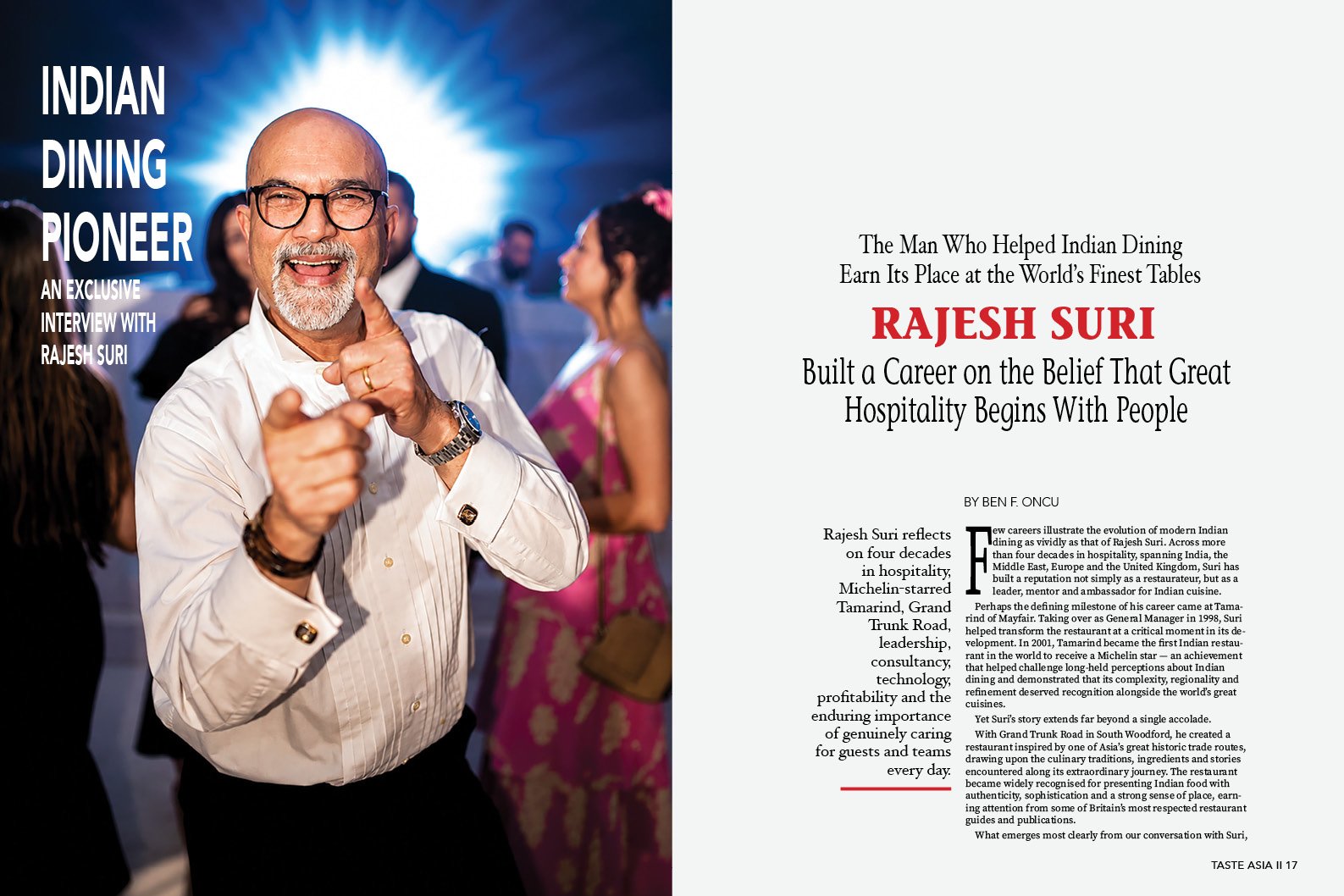
For Rajesh Suri, Great Hospitality Has Always Been About More Than What Arrives on the Plate
Veteran hospitality leader recognised for a four-decade career that has helped elevate Indian dining on the international stage
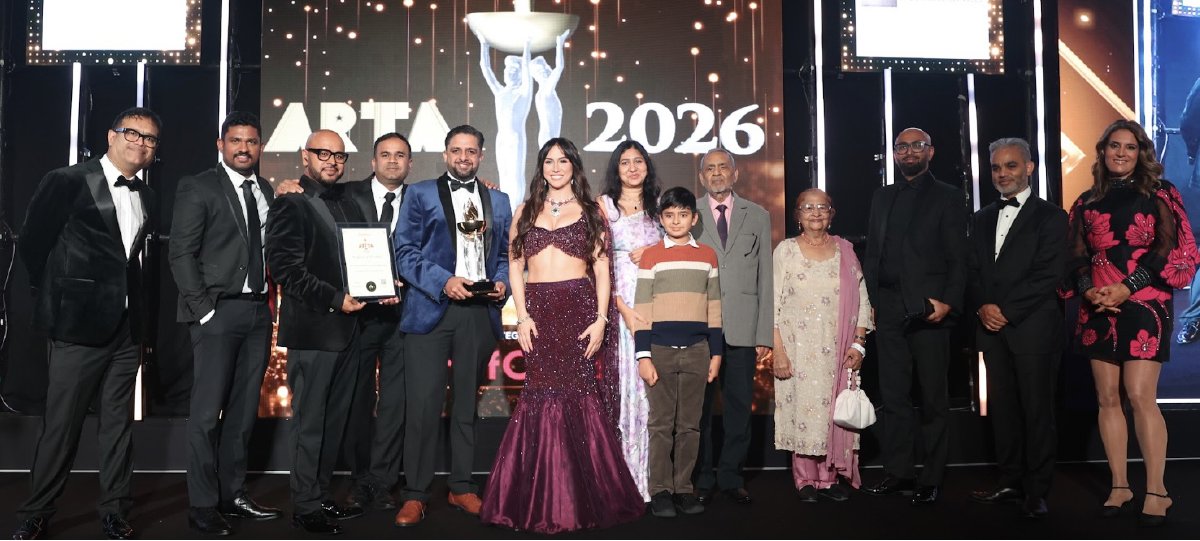
Awards presented to Rajesh Suri