






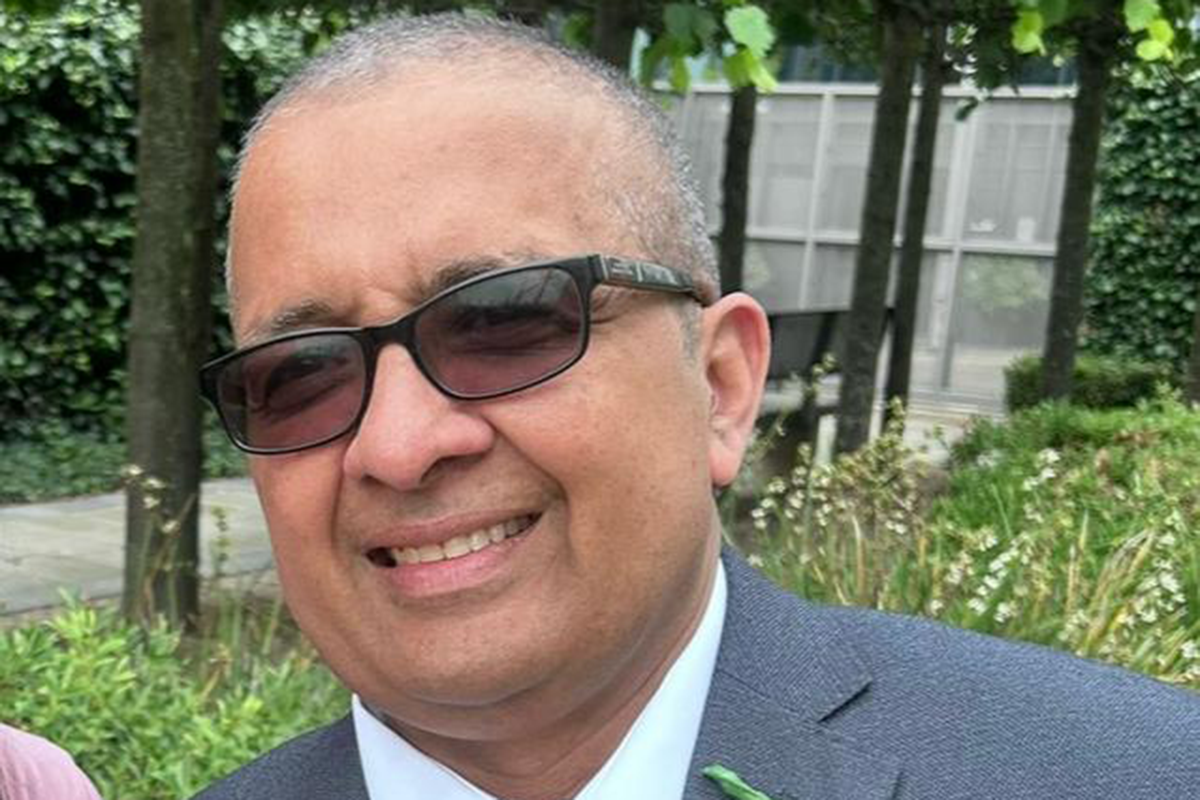
Manjit Kanwal On Punjabi Roots And The Joy Of A Shared Table
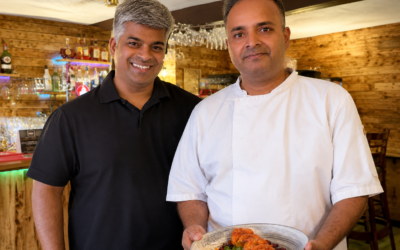
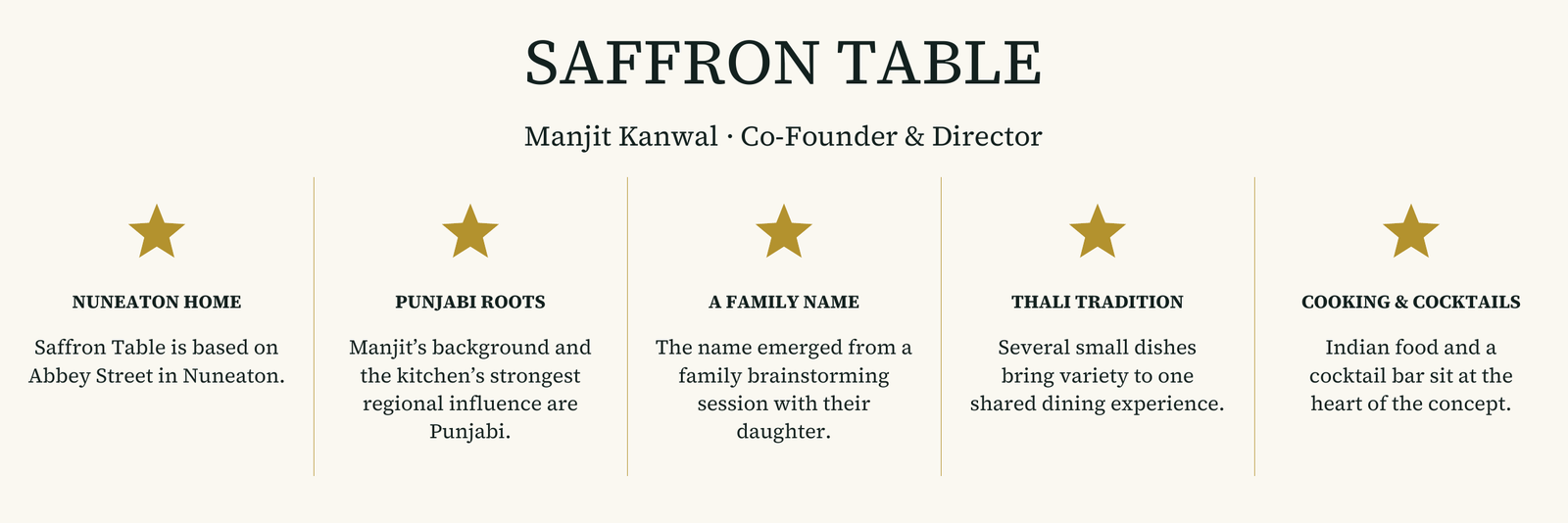
Manjit Kanwal brings Punjabi roots, family traditions and a love of shared dining to Saffron Table, where regional Indian cooking and cocktails help build a gathering place in central Nuneaton.
F or Manjit Kanwal, opening a restaurant in Nuneaton began with a familiar frustration. When his family wanted the Indian food they loved, they often travelled to Leicester or Birmingham. Saffron Table grew from the wish to bring that experience closer to home.
His route back to hospitality was a long one. Originally from Punjab, Kanwal had run a small restaurant in India before moving to the United Kingdom in 1993. Years working in physical labour and security followed, but the ambition to return to restaurants remained. At Saffron Table on Abbey Street, that ambition now takes the shape of Punjabi cooking, generous thalis and a cocktail bar conceived as part of the occasion.
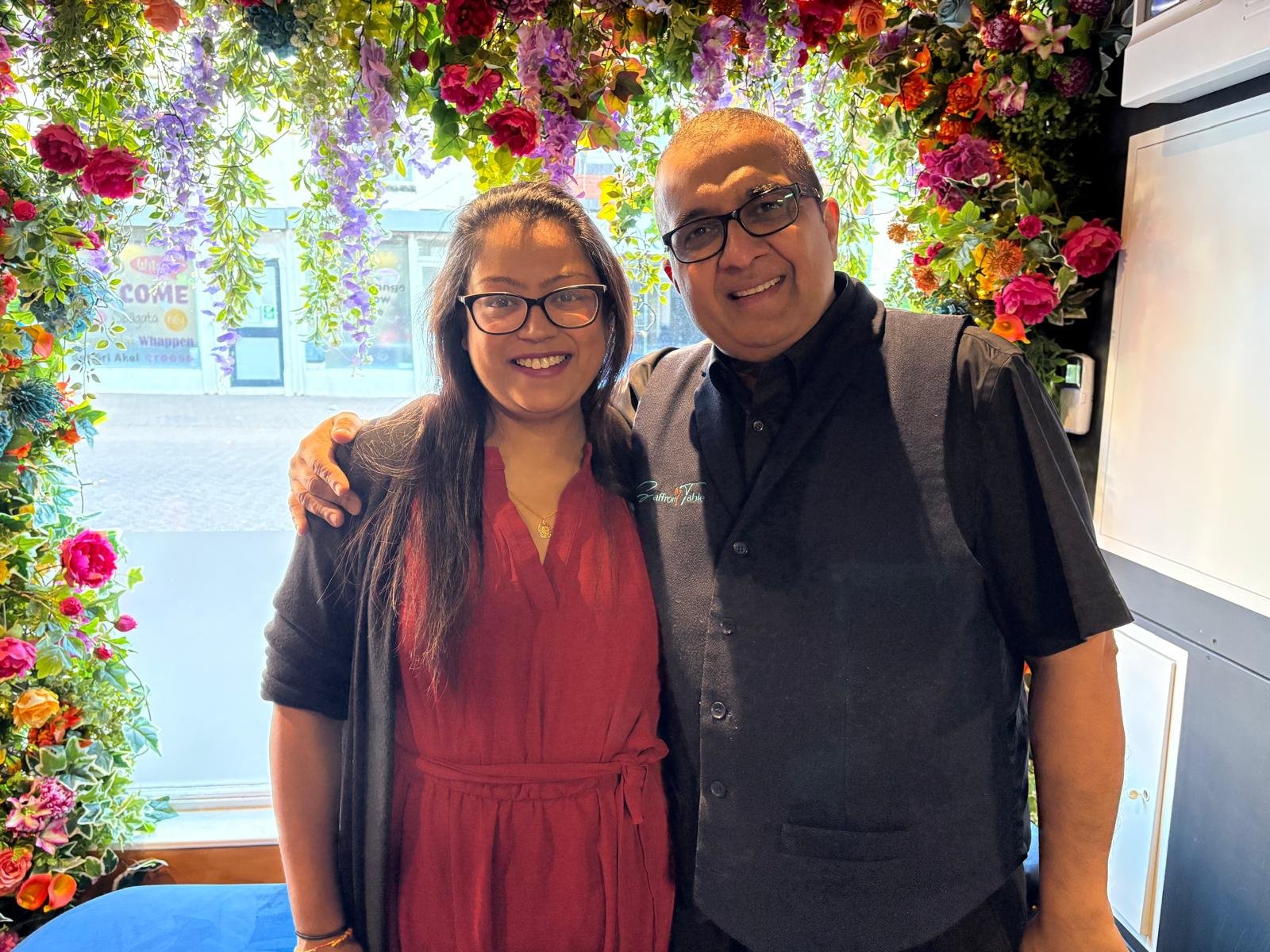
Family provides the connecting thread. Punjabi and Gujarati traditions inform the way the household eats; the restaurant’s name emerged from a conversation with their daughter. The guiding idea is less about ceremony than about making people feel welcome around a shared table. In this interview, Kanwal discusses the dishes he would serve a newcomer, the lessons learned from local guests and the everyday balancing act behind a family restaurant.
What inspired you to open Saffron Table, and why did you choose Nuneaton as its home?
Having lived in Nuneaton for over 15 years, we constantly found ourselves travelling to larger cities like Leicester or Birmingham whenever we craved genuinely authentic Indian cuisine. We wanted to bridge that gap locally. Saffron Table was born out of a desire to introduce an authentic Indian dining experience—distinct from traditional high-street curry houses—paired with an extensive, craft-forward cocktail bar. Every design element of the restaurant, from the flooring and custom bar to the colour palettes, was envisioned from the ground up to create a sophisticated yet welcoming space for the community.
What does the name Saffron Table mean to you, and how does it reflect the experience you want to create?
The name was actually chosen after a family brainstorming session with our 16-year-old daughter. Saffron is an auspicious, royal spice historically reserved for grand, special occasions—valued even higher than gold by weight. It represents prestige and celebration. Paired with “Table”, it embodies our core philosophy: bringing people together around a shared table for a memorable feast. While the spice itself inspires our speciality spirits, liqueurs, and cocktail infusions, the name as a whole reflects our commitment to offering a regal yet approachable dining experience.
How have your upbringing, family traditions, or personal experiences shaped the food you serve?
Our menu is deeply personal. My background is rooted in Punjab, while my wife’s heritage is Gujarati, and the way we eat at home directly influences our menu concept. For instance, our signature Thali acts as an Indian tapas experience, mirroring how family meals are traditionally structured with a variety of balanced dishes served together. We also feature weekend brunch traditions—such as chole puri with sweet semolina halva and stuffed parathas—alongside an extensive vegetarian selection featuring home-style comfort vegetables like okra and aubergine rather than standard restaurant clichés.
Indian cuisine is wonderfully diverse. Which regions and culinary traditions have the strongest influence on your menu?
The strongest regional influence on our menu is Punjabi, largely driven by our talented kitchen team who bring authentic Punjabi flavours and techniques to the forefront. At the same time, the overarching concept of our menu—such as our multi-dish Thalis—draws from classic, pan-Indian home-cooking traditions that emphasise warmth, shared dining, and robust, layered spices.
If you could introduce a first-time guest to Saffron Table through just three dishes, which would you choose—and why?
If I were guiding a first-time guest, I would recommend:
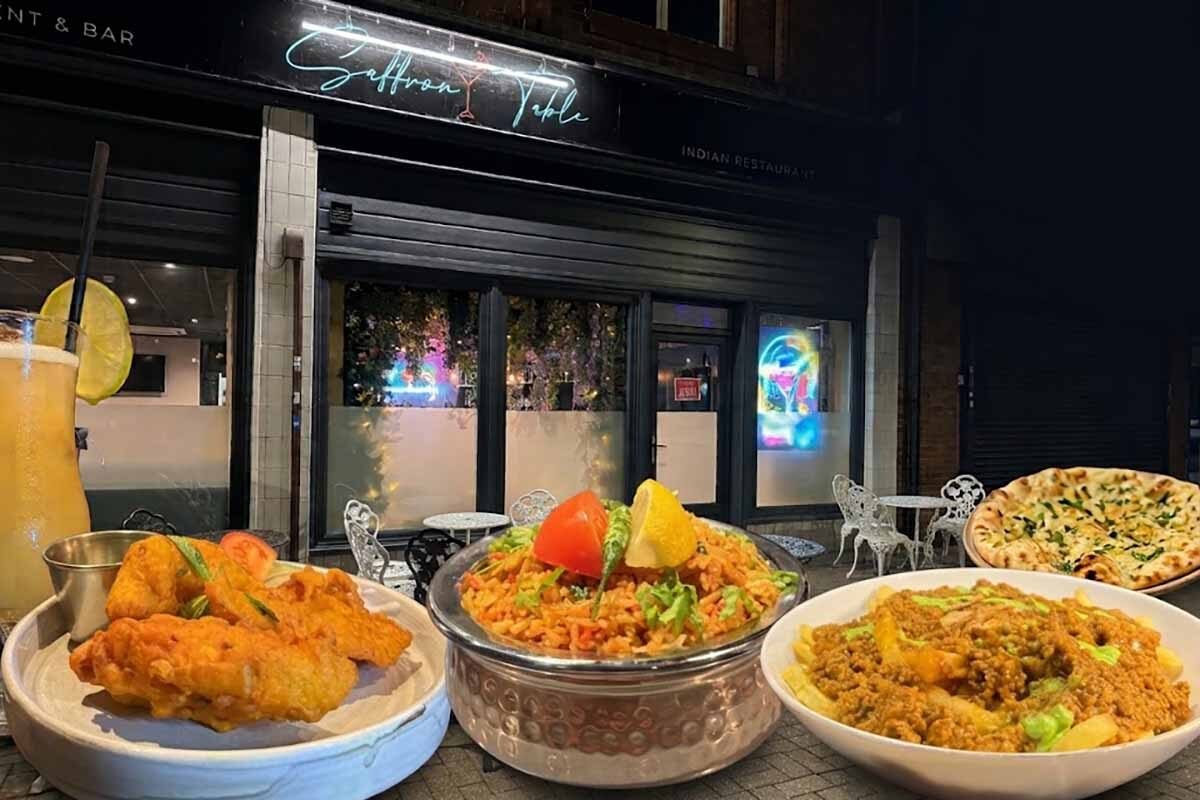
• Fish Pakora: A quintessential Punjabi starter that is exceptionally popular, light, crisp, and bursting with authentic homestyle spice marinades.
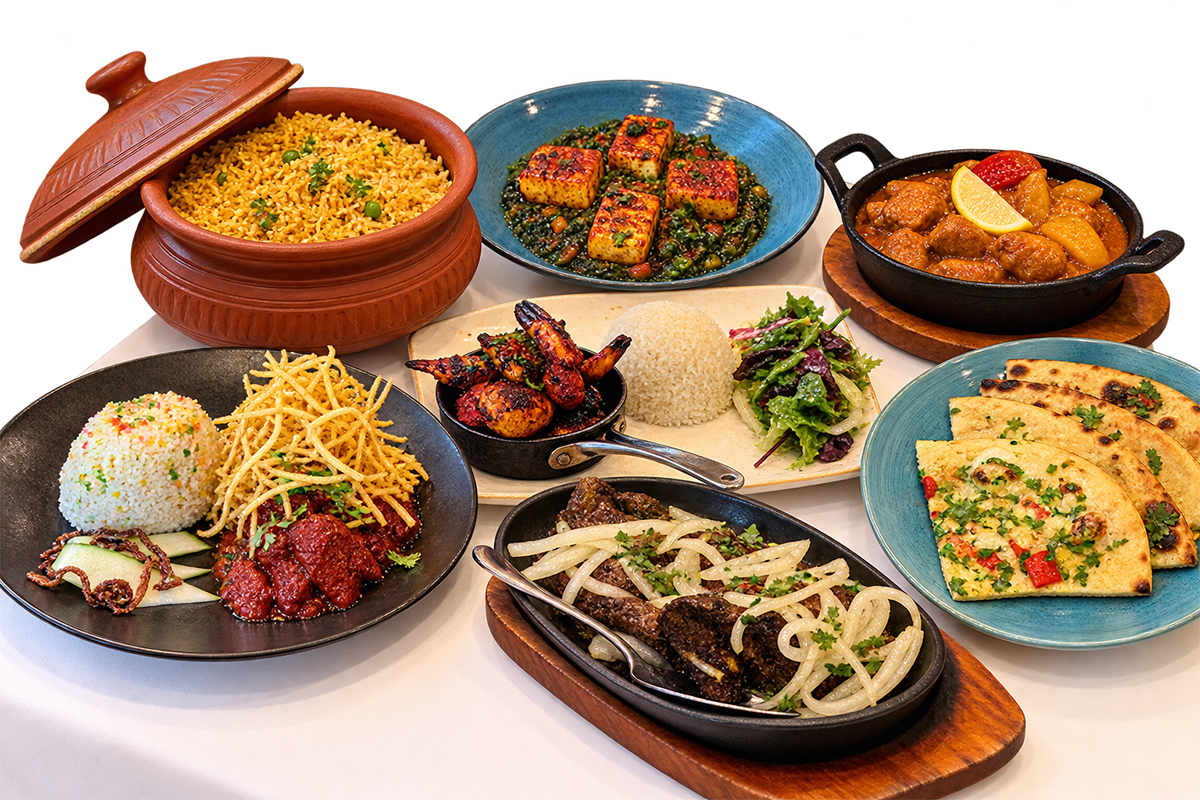
• The Thali: The ultimate culinary sampler. It brings together multiple small curries, rice, naan, raita, samosas, papadums, and a traditional gulab jamun dessert, giving guests a comprehensive taste of our flavour profile in a single meal.
• Loaded Fries (Keema or Butter Chicken): A nod to modern street food and comfort dining. It bridges generations, offering a warming, flavourful, and comforting dish that has become a favourite for lunch and casual visits.
How do you balance staying true to traditional recipes with expressing your own ideas and responding to local tastes?
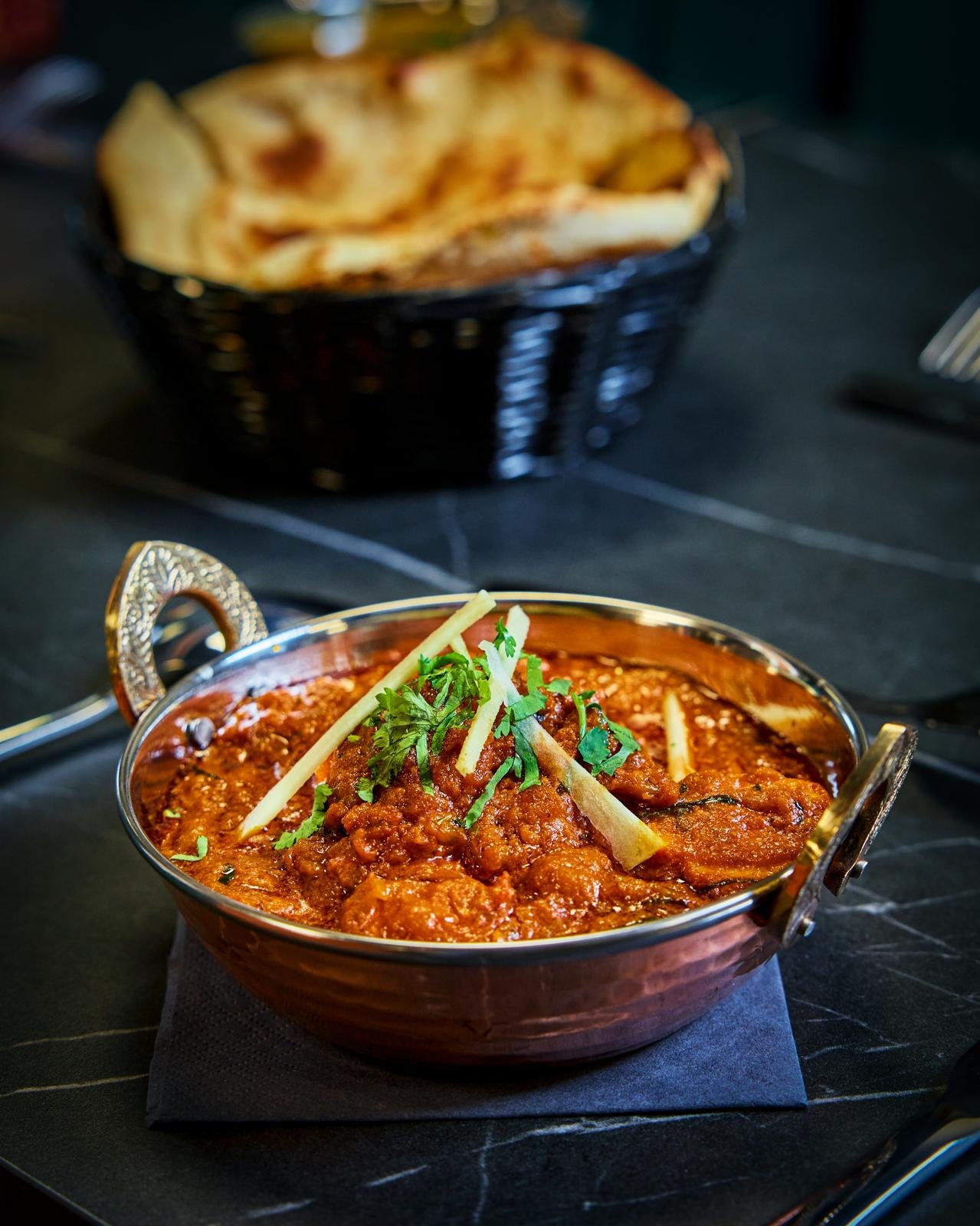
It has been a learning curve. Initially, we received feedback that our authentic spice levels were quite intense for the local palate. While we refuse to compromise on the integrity of our fresh-ground spice blends and authentic marinades, we have learned to calibrate the heat levels to suit local preferences. For purists and spice enthusiasts who crave traditional heat, we explicitly feature a desi-style curry on the menu, ensuring we honour our roots while keeping every guest satisfied.
Can you take us behind the scenes of one signature dish—from choosing the ingredients to its arrival at the table?
Take our Chicken Biryani, for instance. The journey begins with the foundation: premium, long-grain aged Basmati rice, prized for its natural fragrance and delicate texture. Next come the spices—whole bay leaves, green cardamom, and cloves are carefully dry-roasted in-house and ground into a fine powder to impart a warming, aromatic depth rather than sharp heat. The chicken breast is marinated overnight in a robust blend of ginger, garlic, and chilli paste to ensure it absorbs the flavours and remains exceptionally tender. Finally, the biryani is slow-cooked over a low flame in limited daily batches. When served, it is traditionally accompanied by a cooling cucumber and onion raita—just as it would be enjoyed in a traditional Punjabi household.

What has been your biggest challenge in running a restaurant, and what achievement makes you proudest?
The biggest challenge has undoubtedly been balancing the relentless demands of restaurant ownership with raising three young children (ages 16, 4, and 2). Juggling staffing needs, family time, and operational hurdles requires constant fine-tuning—though living just 10 minutes away and dedicating strict family days helps us maintain equilibrium. As for our proudest achievement, it is the overwhelming positive feedback from our guests. Seeing happy customers enjoy our food makes every challenge worthwhile. In Indian culture, guests are treated with the utmost reverence (Atithi Devo Bhava—the guest is equivalent to God), and knowing our guests leave full, happy, and cared for is our greatest reward.
What have you learned from your customers in Nuneaton, and how have those relationships shaped the restaurant?
Our local community is our greatest asset. We’ve learned that building genuine, personal rapport is far more powerful than traditional marketing. By supporting local causes, school raffles, and community events like the town carnival, we’ve embedded ourselves into the fabric of Nuneaton. Many of our regulars have our personal contact numbers and message us directly to book tables. That level of trust and friendship has turned Saffron Table into more than just a restaurant—it’s a neighbourhood gathering place.
Looking ahead, what would you like Saffron Table’s next chapter to be—and what do you hope guests remember after dining with you?
Our immediate next chapter is expanding our holiday offerings, including opening for Christmas Day to offer local families a unique dual menu—featuring traditional British roasts prepared by an expert carvery chef alongside our signature Indian curries. Ultimately, when guests leave Saffron Table, I hope they remember the genuine warmth of our hospitality, the authenticity of our flavours, and the comforting feeling of having shared a magnificent feast with people who truly care about food.
Seasonal plans reflect the time of the interview. Please check availability directly with the restaurant.
Visit Saffron Table.